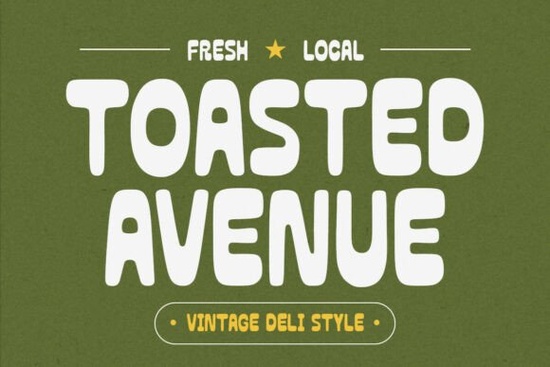
Finding the right typography for a café or artisan food brand can be tricky. You want something that feels authentic, warm, and inviting without looking completely outdated. The Toasted Avenue Font solves this specific problem for designers and small business owners. Inspired by classic neighborhood food spots and vintage deli signs, this bold display font features chunky shapes and rounded corners. It brings a handcrafted, nostalgic charm to menus, logos, and product packaging.
How do you use chunky display typefaces in food branding?
When building a visual identity for a cozy coffee shop or a local bakery, legibility and personality are equally important. A heavy, rounded typeface immediately signals comfort and tradition to your audience. For restaurant menus, using this style for section headers helps guide the customer's eye while setting a friendly tone. It tells people they are in a relaxed environment before they even order.
If you are working on a brand identity that requires a slightly different mood but stays within the retro theme, you might explore other options like a playful pop-style display font for a more modern dessert shop. However, for classic delis, burger joints, and neighborhood grocers, the rounded, thick strokes of this typography provide exactly the right amount of visual weight.
What makes a vintage deli style work for modern packaging?
Print-on-demand sellers and packaging designers often rely on nostalgic aesthetics to build trust with buyers. People naturally associate handcrafted lettering with quality, care, and small-batch production. When you print this type of typography on kraft paper labels, coffee bags, or takeout boxes, it mimics the look of old-school stamp printing.
This approach works exceptionally well for artisanal hot sauces, craft sodas, and specialty baked goods. The thick lines ensure the text remains readable even when scaled down for small jar labels. If your project involves sports-themed food merchandise, you could pivot to a bold athletic lettering style to capture that stadium food vibe. But for everyday neighborhood branding, keeping the shapes soft and friendly is usually the better approach.
For holiday-specific food packaging, pairing your primary typography with a festive seasonal typeface can help your products stand out on crowded retail shelves during the winter months.
Which projects pair best with a handcrafted lettering style?
Creative hobbyists and crafters can apply this typography to a wide variety of physical and digital projects. Because of its thick, solid structure, it cuts cleanly on vinyl cutting machines for custom wooden signs or acrylic wall art. Understanding your production method is just as important as the design itself.
Here are a few specific ways to apply this bold display font to your current projects:
- Custom Apparel: Screen print the lettering on canvas tote bags for farmer's markets or local food festivals.
- Event Signage: Design welcoming chalkboard-style posters for food trucks, pop-up events, or bakery storefronts.
- Digital Assets: Create social media templates for local restaurants announcing daily specials or new menu items.
When building a layout, contrast is essential. Pair this chunky typeface with a clean, simple sans-serif for the body text to ensure everything remains easy to read. If you need an elegant script to complement the heavy letters for a wedding catering business, a delicate script display font can provide a beautiful secondary element. For projects strictly focused on this specific retro aesthetic, keeping the primary focus on the main retro display typography ensures your branding stays consistent and recognizable across all customer touchpoints.
Quick checklist for your next typography project
Before finalizing your design, run through this short list to make sure your layout is effective and ready for production:
- Check the contrast: Ensure your background color allows the thick, rounded letters to stand out clearly.
- Test the scale: Print a sample at the actual size to verify that the chunky shapes do not bleed together on paper or vinyl.
- Pair thoughtfully: Select a highly readable, minimal font for your smaller descriptive text to balance the heavy headers.
- Mind the spacing: Adjust the kerning slightly if you are using all uppercase letters to maintain an even visual rhythm.
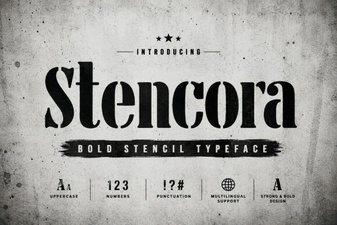 Styling Projects with the Stencora Font
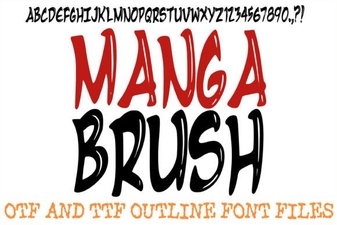 Creative Manga Fonts for Digital Projects
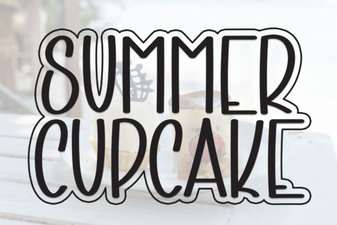 A Fresh Font for Sweet Summer Creations
 Designing Your Baseball Team's Custom Font
 Gnomerry Font: Crafting Creative Typography Projects
 The Pudgie Font: a Playful Typography Choice