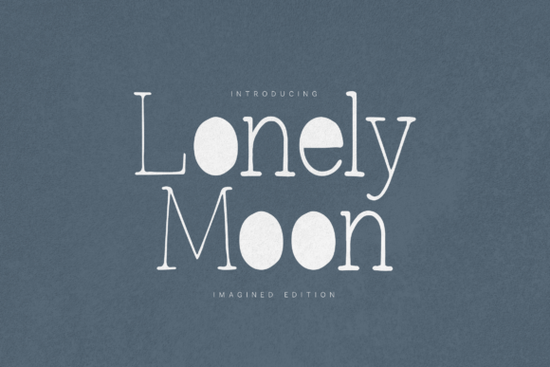
Finding the right typography for a boutique brand or an artisan project often means looking past standard, rigid options. If you want something handcrafted yet legible, the Lonely Moon Font offers a practical balance. This distinctive display serif typeface is inspired by poetic storytelling, quiet evenings, and imperfect forms. Designed with crafters, small businesses, and print-on-demand sellers in mind, it merges delicate serif structures with playful geometric details. You can review the full Lonely Moon typography collection on our site to see the alternate characters included.
Why does this typeface work so well for visual storytelling?
When designing lifestyle products or artisan packaging, the mood of your text matters just as much as the message. This typeface brings a quiet, expressive energy to your layouts. Because it avoids being overly traditional, it feels wonderfully unconventional and welcoming. The letterforms have carefully balanced proportions, providing excellent readability even when you use it for longer editorial headlines.
Rather than relying on heavy ornamentation, the design uses subtle quirks in its geometry. This transforms ordinary text into an artistic element without sacrificing clarity. For brands that want to communicate a sense of handcrafted authenticity, this styling naturally aligns with those core values.
Where can print-on-demand sellers use this design?
Creators selling physical goods need versatile assets that look good on a variety of materials. Because of its strong decorative presence, this typography captures attention instantly on retail shelves and digital storefronts. Here are a few practical ways to apply it:
- Children’s books: The handcrafted details make storybook titles feel magical and approachable for young readers.
- Boutique branding: Use it for the primary logo text of a handmade soap company or local coffee roaster. It scales beautifully on woven tags.
- Stationery: The elegant serifs add a touch of warmth to wedding invitations, thank you notes, and premium journal covers.
- Creative posters: It holds its own as a large, standalone title on wall art, especially when printed on textured matte paper.
Keep in mind that when printing on fabrics or raw paper, the delicate serifs might soften slightly due to ink spread. Always request a physical proof before ordering a large batch.
What other lettering styles pair well with this aesthetic?
Building a complete brand identity usually requires mixing a standout display font with complementary options. If you want to maintain an artistic vibe across your designs, you might try pairing it with a whimsical option like Gnomerry for secondary headings. For projects that require a slightly more structured look, integrating the bolder strokes found in Dylan can create a nice visual hierarchy.
If your brand leans toward something sweeter, perhaps for a bakery or children's apparel, combining your main serif with a playful script like Summer Cupcake adds a fun contrast. Alternatively, if you are designing vintage-inspired packaging, you might experiment with a retro style such as Toasted Avenue to complete the old-school aesthetic.
How should you format your text for the best results?
To get the most out of these delicate serif structures, pay close attention to your spacing and contrast. Keep your line spacing generous, especially if you are using the font for paragraph text in an editorial layout. Since the letterforms have unique geometric details, they need room to breathe. Pair this typeface with a clean, simple sans-serif for your body copy. This ensures that the decorative elements of your headline stand out without making the overall design feel cluttered.
Quick checklist before you finalize your design
- Check the hierarchy: Ensure your display font is significantly larger than your body text to highlight its unique shapes.
- Test the contrast: Print a sample to verify that the delicate serifs do not disappear against your chosen background color.
- Review the kerning: Adjust the space between specific letter pairs manually if you are using the type for a logo.
- Keep body text simple: Use a highly readable font for long descriptions so your decorative text remains the focal point.
- Verify the license: Always double-check your commercial usage rights if you plan to sell physical items featuring the typography.
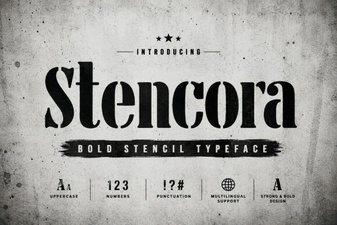 Styling Projects with the Stencora Font
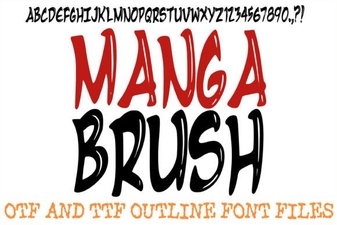 Creative Manga Fonts for Digital Projects
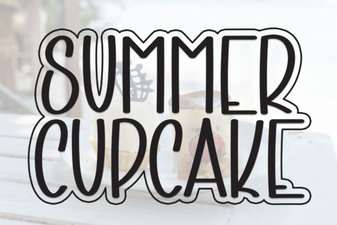 A Fresh Font for Sweet Summer Creations
 Designing Your Baseball Team's Custom Font
 Gnomerry Font: Crafting Creative Typography Projects
 The Pudgie Font: a Playful Typography Choice