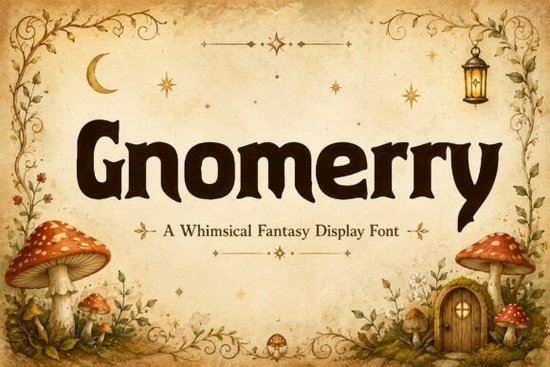
Finding the right typography for a fairy tale project can be challenging. You need something that feels handcrafted but remains legible for your audience. The Gnomerry Font provides a whimsical fantasy display style inspired by enchanted forests, magical cottages, and storybook adventures. It brings a playful medieval touch to children’s books, woodland-themed branding, and creative crafts while maintaining clear letterforms.
For independent authors and illustrators, typography sets the stage before the reader even opens the book. A well-chosen display typeface signals the genre instantly. This specific style captures the essence of folklore, making it an excellent choice for chapter headings, magical product collections, and event invitations.
What types of design projects fit a storybook aesthetic?
Designers and crafters often look for specific moods when working on themed products. This typeface works exceptionally well for projects that require a sense of wonder and imagination. If you are illustrating a children's book, the unique character shapes help establish a friendly, inviting tone right on the cover.
Small businesses focused on handmade goods can use this typography for product packaging and labels. It adds a layer of storytelling to items like artisan soaps, wooden toys, or specialty candles. Print-on-demand sellers will also find it highly practical for creating eye-catching stickers, greeting cards, and poster quotes that appeal to fans of fantasy and folklore. Because the letters have a distinct handcrafted look, they pair beautifully with watercolor illustrations and organic textures.
How do you choose the right display font for different niches?
While a magical theme is perfect for certain audiences, other projects require completely different visual languages. Understanding how to select the right style prevents your design from sending the wrong message. For instance, if you are designing a logo for a dessert shop, you might prefer sweet, rounded lettering to match the playful nature of baked goods.
Conversely, if your target audience is toddlers, chunky, bubbly shapes tend to perform better on apparel and nursery decor. When your work shifts toward comic art or action-oriented posters, exploring dynamic brush styles provides the necessary energy. On the other hand, streetwear brands usually lean toward structured stencil typography for an urban edge, while minimalist wedding stationery pairs best with a clean, modern script. Matching the font to the specific niche ensures your final product resonates with the buyer.
Is this lettering readable enough for merchandise and packaging?
Highly decorative fonts sometimes sacrifice clarity for style, which can cause issues on smaller items. This display font balances its handcrafted look with easy-to-read proportions. The distinct uppercase and lowercase characters ensure that words do not blur together, even when scaled down for a clothing tag or a small product sticker.
When printing on t-shirts or tote bags, the unique character shapes stand out clearly against various background colors. It is important to test your sizing before running a full production batch, but the baseline legibility makes it a reliable choice for both digital social media graphics and physical merchandise. Whether you are creating a woodland-themed brand identity or just a single batch of custom mugs, the text remains accessible to your customers.
What exactly is included when you download the files?
Having a complete character set is essential for professional design work. A broken or incomplete font file can halt a project entirely. This package provides high-quality font files that give you complete control over your layout. The download includes:
- Uppercase Characters: Ideal for main titles, logos, and short, impactful quotes.
- Lowercase Characters: Useful for secondary text, subtitles, and longer storybook paragraphs.
- Numbers and Punctuation: Necessary for pricing tags, dates on invitations, and proper sentence formatting.
These elements give you the flexibility to type out complete sentences and format your layouts without needing to switch to a secondary typeface for basic punctuation. This saves time during the design process and keeps your working files organized.
Practical checklist before sending your design to print
Before you finalize your magical product collection or storybook cover, run through this quick checklist to ensure the best results:
- Check the contrast: Make sure the whimsical lettering stands out against your background texture or color.
- Verify the spelling: Display fonts can sometimes make typos harder to spot, especially with unique character shapes.
- Test the scale: Print a small sample to confirm the lowercase letters remain readable on physical items like stickers or tags.
- Outline your text: If you are sending the file to a commercial printer, convert your text to outlines so they do not need to install the font on their system.
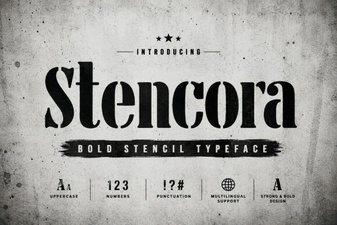 Styling Projects with the Stencora Font
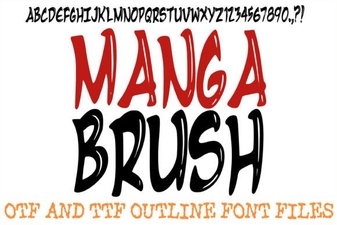 Creative Manga Fonts for Digital Projects
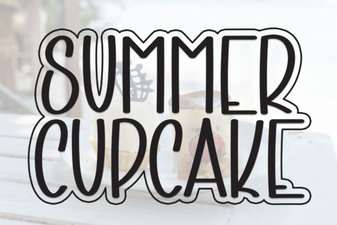 A Fresh Font for Sweet Summer Creations
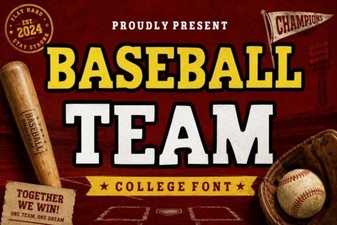 Designing Your Baseball Team's Custom Font
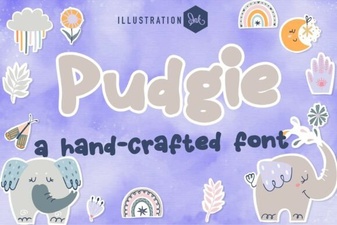 The Pudgie Font: a Playful Typography Choice
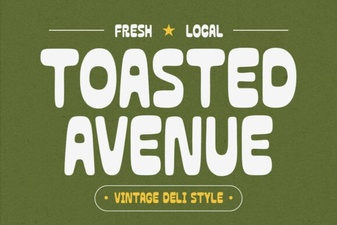 A Creative Typography Project Using Toasted Avenue Font