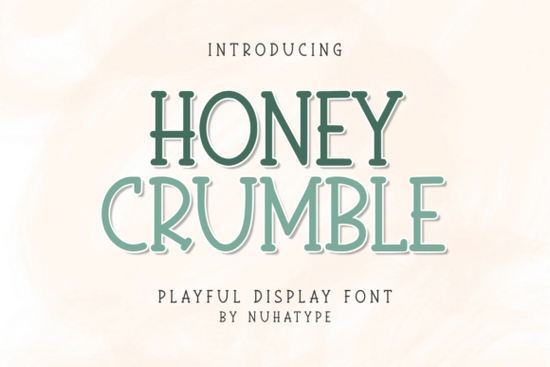
Typography plays a quiet but essential role in design. When you need a clean, understated look for your projects, the Honey Crumble Font offers an elegantly minimalist, thin sans serif style that mimics natural handwriting. Whether you are setting up a new planner layout or designing labels for a small business, this typeface keeps things simple and readable. It works especially well for crafters who want to add a touch of charm without overwhelming their artwork. Understanding the roots of Honey Crumble Font styling helps crafters maximize readability across different mediums.
What makes a thin sans serif font work for crafting?
Thin lines can be tricky, but they provide a modern, airy feel that thicker block letters often lack. Minimalist fonts like this one shine in projects where negative space matters. If you have ever looked for a typography style that pairs well with detailed illustrations, you know how important it is to balance the visual weight. You might also explore other understated options like this clean modern typeface when building a cohesive brand identity. The key is ensuring the strokes are thick enough to remain legible at smaller sizes, which is vital for things like product tags, watermark logos, and sticker sheets. Delicacy requires intention, meaning every curve and line must serve a clear purpose in your layout.
How can you use minimalist fonts on physical products?
Print-on-demand sellers and hobbyists frequently use delicate lettering on mugs, tote bags, and tumblers. A subtle font adds a custom, boutique feel to everyday items. When applying vinyl with a Cricut or Silhouette machine, thin sans serif designs require a bit of care. You want to avoid overly complex shapes that might tear during the weeding process. This makes smooth, thin styles highly practical for beginners and experts alike. If you prefer something with a slightly more playful bounce for children's items, a bouncy handwritten alternative could complement your minimalist base text beautifully. Always remember to test your cut settings on a small scrap of vinyl first to ensure the adhesive backing does not lift the fine details.
Is this typeface suitable for low-content book interiors?
Creating interiors for Amazon KDP requires strict attention to readability. Planners, journals, and logbooks rely heavily on clear typography so users can easily read prompts and write their own notes. An elegantly simple font is perfect for daily quotes, headers, and section dividers. It guides the reader's eye without causing visual fatigue over multiple pages. For cover designs, you might want to contrast this delicate style with something a bit bolder to grab attention on a crowded search page. Pairing it with an edgy display typeface creates a striking visual hierarchy that catches a buyer's attention immediately. You can also use the font to create aesthetic checklist boxes, habit trackers, or subtle page numbers inside the book.
Where else can delicate typography add value?
Small businesses often use understated text for branding materials that require a personal touch. Think about wedding invitations, packaging labels, or thank-you cards tucked into shipping boxes. The natural handwriting charm translates well to these touchpoints, making customers feel appreciated. For a complete typography toolkit, designers often mix different styles to avoid monotony. You might use a structured geometric font for your main company name, reserving the thinner, handwritten style for accent words, dates, or taglines. Even digital creators can benefit from this look when designing social media templates or Pinterest graphics. If your content leans toward education or storytelling, combining your delicate text with a whimsical thematic typeface helps set a specific, engaging mood for your audience.
Tips for working with thin lettering
- Adjust letter spacing: Thin fonts often need a slight increase in tracking when used in all caps to prevent the letters from visually tangling together.
- Use high contrast: Place light text on dark backgrounds or dark text on light backgrounds to ensure the fine lines remain visible on physical products like dark tumblers.
- Test your cuts: If using a vinyl cutter, use a fine-point blade and weed slowly with a hooked tool to preserve delicate stems and curves.
- Pair thoughtfully: Balance the delicate weight by matching it with heavier, simpler typefaces for your primary headings.
Next step: Open your design software, type out a sample quote using this font, and print it at various sizes to find the smallest readable scale for your specific project.
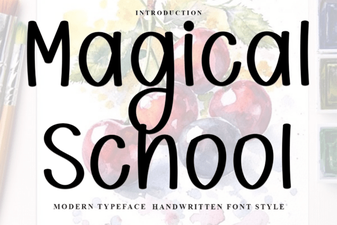 Fonts for Your Magical School Design Project
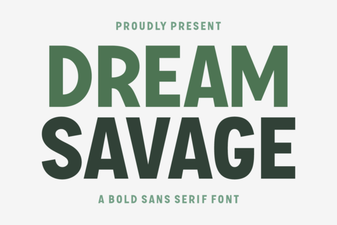 Dream Savage: the Bold Font for Creative Projects
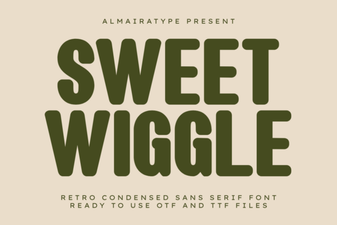 Sweet Wiggle Font for Creative Designs
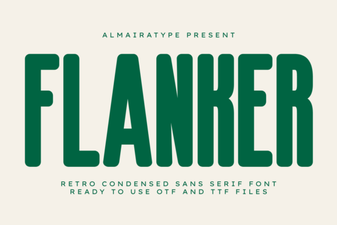 Flanker Font: a Modern Tool for Creative Projects
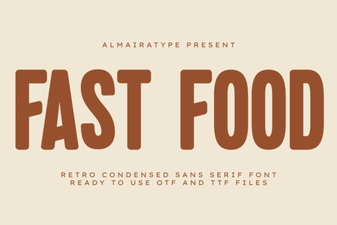 Creative Fast Food Fonts for Modern Restaurant Branding
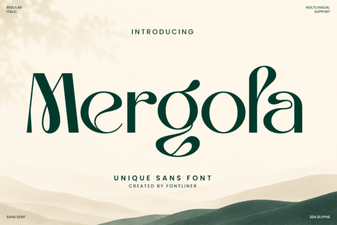 Mergola Font: Designing Creative Projects