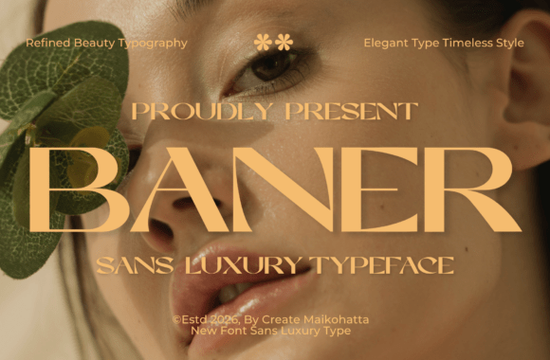
When working on high-end branding or editorial layouts, finding the right typeface sets the tone for the entire project. The Baner Font offers a refined sans serif structure that brings a quiet confidence to modern design. Crafted with clean lines and graceful proportions, it serves as an excellent choice for creators who need a polished, luxurious aesthetic without sacrificing everyday readability. Whether you are designing packaging for a new cosmetics line or setting the text for a boutique wedding invitation, this typeface provides a highly versatile foundation for your creative work.
How does this typography fit into luxury branding?
Luxury brands rely heavily on negative space and elegant letterforms to communicate exclusivity. Because this typeface balances contemporary minimalism with classic styling, it naturally aligns with high-end visual identities. Small businesses in the fashion and jewelry sectors often use similar sophisticated sans serif fonts to build trust and project a premium feel. The graceful curves and even weight distribution make it highly effective for logos, product labels, and upscale marketing materials. By keeping the design uncluttered, the typography allows product photography and brand colors like matte black, ivory, or metallic gold to take center stage.
What are the best pairing options for minimalist layouts?
Mixing typefaces requires a careful balance of contrast and harmony. If your main heading uses a structured, elegant sans serif, you might want to pair it with something entirely different for accents or secondary text. For example, if you are working on a playful children's brand alongside your luxury line, you might look at a more whimsical, bouncy alternative to soften the mood of the project.
Conversely, if you need a secondary font that maintains a modern edge but feels a bit more geometric, checking out structured geometric options can provide a nice visual contrast for subheadings. For projects that require a handcrafted touch, such as artisan soap labels or handmade candle packaging, introducing a casual, textured script alongside your clean main typeface adds a personal human element. On the other hand, if you are designing retro-themed merchandise or diner menus, contrasting your sleek luxury font with chunky, vintage-inspired lettering creates a striking, memorable layout.
Where should I use this typeface for print-on-demand?
Print-on-demand sellers need versatile assets that translate well across various physical products and materials. This typeface scales beautifully, making it highly practical for diverse merchandise. You can use it for bold, minimalist quotes on canvas wall art, or scale it down for subtle, elegant branding on the woven tags of custom tote bags.
Some of the best applications for this style include:
- Wedding stationery: Use it for the names of the couple on invitations, menus, and table seating charts to ensure guests can read the details easily.
- Cosmetics packaging: It reads clearly on small, curved spaces like lipstick tubes, serum droppers, and compact mirrors.
- Apparel tags: The clean lines print crisply on woven labels and care instructions for boutique clothing lines.
- Editorial spreads: It serves as an excellent choice for magazine pull quotes, article headers, and digital blog graphics.
Can beginners easily format and install this font?
Yes, working with well-crafted sans serif fonts is generally straightforward for designers at any skill level. The files typically include standard formats that install seamlessly on both Mac and Windows operating systems. Once installed, you can access all the characters in popular software like Adobe Illustrator, Canva, or Cricut Design Space. Before starting a commercial project, it is always a good idea to visit the main collection page to verify the specific licensing terms, file inclusions, and multi-language support.
Before finalizing your next branding or print project, run through this quick typography checklist to ensure your layout looks professional and polished:
- Check the visual hierarchy: Ensure your headings are noticeably larger or bolder than your body text to naturally guide the reader's eye.
- Mind the kerning: Adjust the spacing between individual letters in your logo or main headline to avoid awkward visual gaps.
- Test readability: Print a physical sample at the exact size it will be produced to confirm the text is legible, especially on small items like business cards or product tags.
- Limit your font count: Stick to two or three typefaces per project to maintain a cohesive, uncluttered design that aligns with your brand identity.
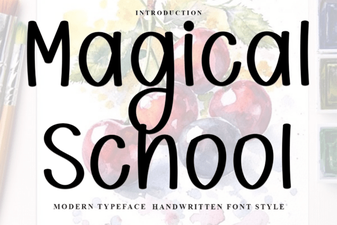 Fonts for Your Magical School Design Project
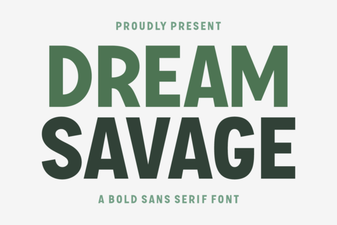 Dream Savage: the Bold Font for Creative Projects
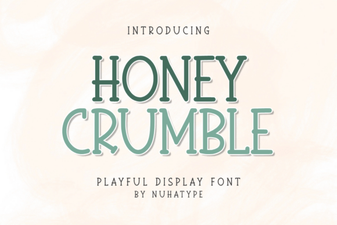 Discover Honey Crumble's Sweetest Design Projects
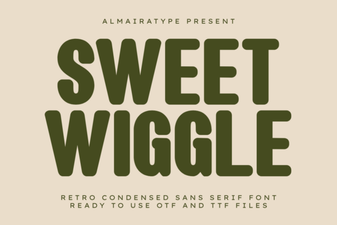 Sweet Wiggle Font for Creative Designs
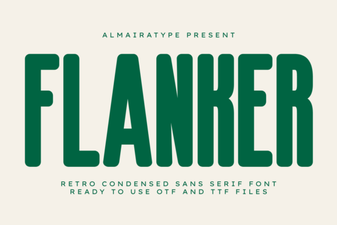 Flanker Font: a Modern Tool for Creative Projects
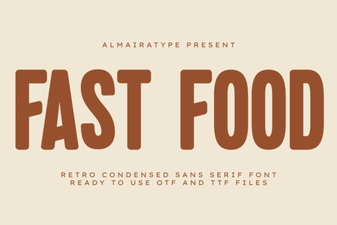 Creative Fast Food Fonts for Modern Restaurant Branding