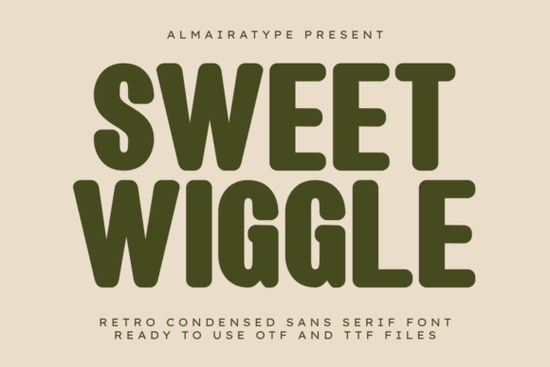
When you need a typeface that balances 1970s nostalgia with clear readability for modern merchandise, the Sweet Wiggle Font is a highly practical choice. This bold retro condensed sans serif features friendly, rounded geometric contours that stand out on custom apparel and digital graphics. Graphic designers and print-on-demand sellers often look for this specific structural alignment because it packs a lot of visual weight into a small amount of horizontal space.
How does a retro condensed sans serif fit into modern branding?
Typography trends often cycle back to the warm, heavy letterforms of the 1970s. A compressed sans serif gives your brand identity a distinct, high-impact aesthetic without looking outdated. The rounded edges keep the tone approachable, which is especially useful for independent clothing brands and trendy kids' t-shirt lines. Because the letters are thick and tightly spaced, they pair beautifully with nostalgic color palettes featuring mustard yellows, burnt oranges, and warm browns.
If you enjoy experimenting with retro styles, you might also find inspiration in other vintage-leaning typefaces. For example, exploring a chunky option for casual diner branding can give your projects a fun, energetic vibe. Alternatively, trying out a soft geometric design for bakery logos adds a touch of homemade warmth. These variations help you match the exact mood of your commercial project. For more technical background on why these shapes work so well in commercial design, you can read about the history of sans-serif typography and its evolution in print media.
Is this typeface easy to cut with Cricut and Silhouette?
For passionate craft lovers and DIY hobbyists, the technical compatibility of a font is just as important as its visual style. This font provides ultra-clean vector outlines, which means digital vinyl plotters can trace the paths accurately. This results in a much smoother weeding experience when you are making personalized stickers or custom mugs.
Complex fonts with jagged edges or overlapping nodes often tear delicate vinyl, but a robust, compressed design minimizes these issues. The thick strokes hold together well whether you are using heat transfer vinyl for apparel or adhesive vinyl for hard surfaces. When working on mixed media projects, pairing this bold style with a clean minimalist text for your subheadings creates a balanced layout. You can also contrast it against a tall narrow letterform to establish a clear visual hierarchy on your custom craft cuts.
What kind of merchandise works best with bold vintage typography?
Print-on-demand entrepreneurs need typefaces that grab attention on crowded marketplace feeds. Because of its heavy weight and compressed structure, this font remains highly legible even when scaled down on mobile screens or printed on textured fabrics. It works exceptionally well for striking social media posters, unique product packaging layouts, and short, punchy brand slogans.
Small businesses can use this style for enamel pins, embroidered tote bags, and coffee bag labels where horizontal space is limited. The compressed nature allows you to fit longer words into tight spaces without losing the heavy visual impact. If your merchandise line requires a slightly different energy, combining it with a gritty textured alternative can give your apparel graphics an edgier, streetwear-inspired feel that appeals to a different demographic.
What are the best practices for setting up your design files?
Before sending your artwork to print or your cutting machine, taking a few extra steps ensures a professional result. Heavy fonts can sometimes look crowded if the spacing is not adjusted properly.
- Check your kerning: Condensed fonts sometimes need manual spacing adjustments, especially around rounded letters like 'o' and 'c' to prevent them from touching.
- Test your cut settings: Always run a small sample cut on your vinyl plotter before committing to a full sheet of custom stickers. Thick fonts require precise blade depth.
- Pair with contrast: Use a simple, light-weight font for your body copy to let the bold retro header stand out. Avoid using two heavy fonts together.
- Keep text short: This style works best for logos, titles, and short phrases rather than long paragraphs. Use it for maximum impact in small doses.
- Outline your text: If you are sending files to a commercial printer, always convert your fonts to outlines to avoid missing font errors on their end.
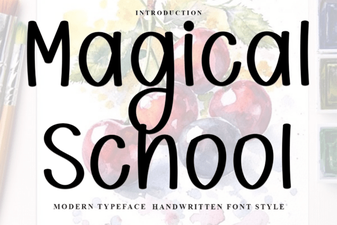 Fonts for Your Magical School Design Project
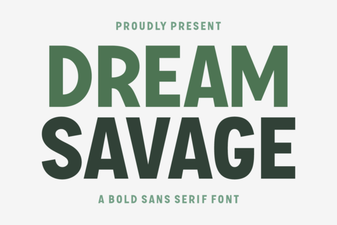 Dream Savage: the Bold Font for Creative Projects
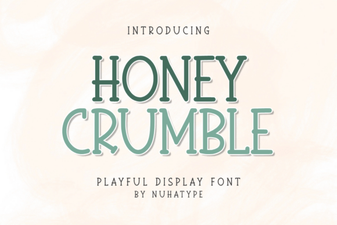 Discover Honey Crumble's Sweetest Design Projects
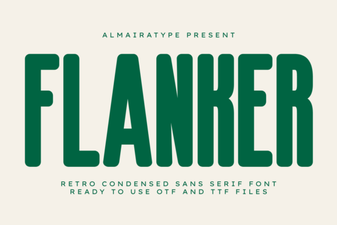 Flanker Font: a Modern Tool for Creative Projects
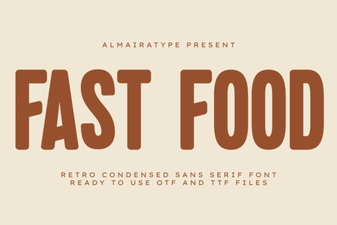 Creative Fast Food Fonts for Modern Restaurant Branding
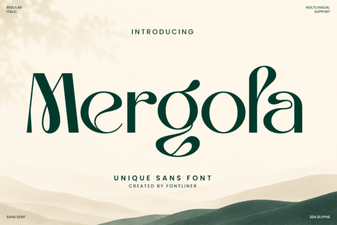 Mergola Font: Designing Creative Projects