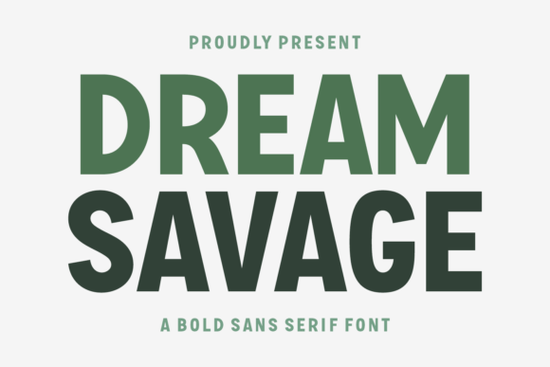
What projects benefit most from a heavy, tall typeface?
When you design merchandise for athletes or fitness brands, readability and impact are your primary goals. This lettering style offers a raw, fierce energy that captures attention instantly. Crafters making vinyl decals for water bottles or duffel bags will find that the thick strokes cut and weed easily. Intricate, thin serifs often peel or fail to adhere to fabric properly, but a solid, bold structure ensures clean cuts and durable wear, even after multiple wash cycles.
It is also an excellent choice for cinematic movie posters that need a sharp, modern edge. Unlike the playful typography often used for casual dining, this specific sans serif maintains a serious, aggressive tone that works well for action themes, sports branding, and streetwear labels.
How does it transition into corporate and lifestyle branding?
Despite its rugged origins, the immaculate structure of this typeface ensures it remains sophisticated. Small businesses creating product packaging can use it for bold labels that stand out on crowded retail shelves. Because the letterforms are clean and geometric, they scale down well for business cards, cosmetic jars, and editorial magazine covers.
If you are designing a lifestyle brand that leans towards modern minimalism, it offers an unapologetically bold attitude without sacrificing elegance. For a completely different vibe, you might contrast it with softer, bakery-inspired lettering when designing a mixed-media marketing campaign or a collaborative product line.
Which fonts pair well with tall display styles?
Pairing a commanding display font requires a careful balance. Since your main title carries so much visual weight, your secondary text should remain simple and unobtrusive. Many graphic designers choose to pair this style with understated geometric options for the body copy. This keeps the layout readable and professional.
It stands in stark contrast to ornate, fantasy-based lettering, relying instead on pure structural strength. When browsing for complementary display styles, looking at other heavy industrial typefaces can help you build a versatile typography toolkit for urban branding. You can also test it alongside the Baner Font for alternative bold poster styles, or the Fast Food Font if your project pivots to commercial food branding. For whimsical projects, the Magical School Font offers a completely different mood, while the Honey Crumble Font and Flanker Font provide additional contrast options for varied layouts.
How do you optimize this typeface for digital marketing?
Social media graphics and high-conversion advertising campaigns require text that stops the user from scrolling. By utilizing the towering height of this typeface, you can fit large, impactful words into standard square or portrait aspect ratios without taking up too much horizontal space. Ensure you use high-contrast color palettes, like white text on a dark charcoal background, to maximize the aggressive lines. This approach is highly effective for promotional banners and digital storefront headers.
When working with tall, condensed letterforms, spacing is critical. Tight tracking can make the characters bleed together on smaller screens or printed labels. Designers should manually adjust the kerning between specific letter pairs, especially where diagonal strokes meet. For print-on-demand sellers, testing the file in both black and white before sending it to production helps identify any negative space issues early on.
Next steps for preparing your typography files
Before sending your artwork to print or cutting machines, review these practical setup steps to ensure professional results:
- Convert text to outlines: Always create outlines in your vector software before exporting. This prevents missing font errors when sharing files with clients or print shops.
- Adjust manual kerning: Tall fonts require careful spacing. Check the gaps between diagonal letters like A and V to ensure they are optically balanced.
- Test cut settings: If you are using a Cricut or Silhouette, do a test cut on scrap material. The thick lines are forgiving, but you still need a sharp blade for clean inner corners.
- Check contrast ratios: For digital ads, ensure your text color stands out clearly against the background image, especially on mobile screens.
Take time to experiment with different layout compositions to see how this bold structure anchors your next creative project.
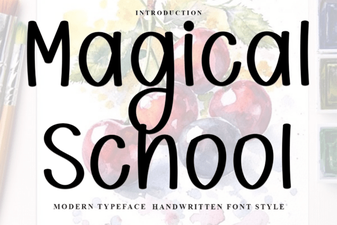 Fonts for Your Magical School Design Project
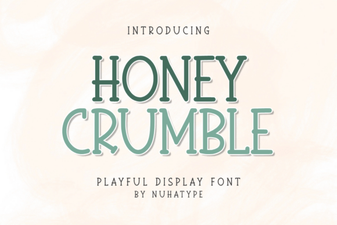 Discover Honey Crumble's Sweetest Design Projects
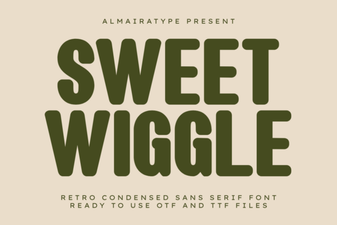 Sweet Wiggle Font for Creative Designs
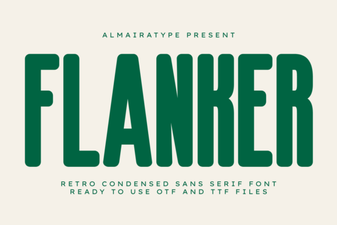 Flanker Font: a Modern Tool for Creative Projects
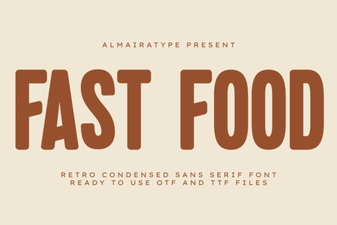 Creative Fast Food Fonts for Modern Restaurant Branding
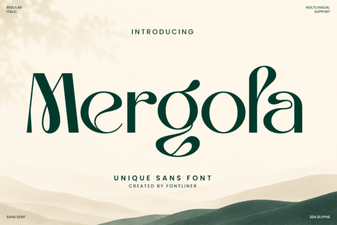 Mergola Font: Designing Creative Projects