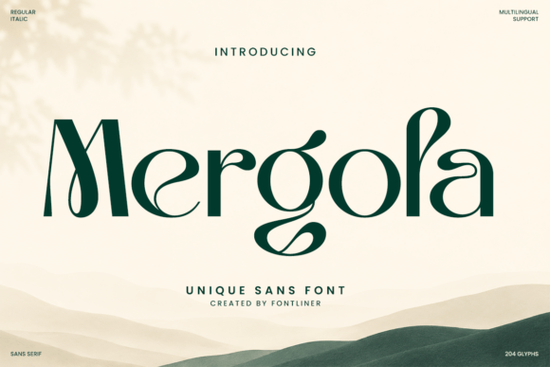
Finding the right typography for a premium project often means balancing readability with a touch of sophistication. The Mergola Font offers exactly that by combining modern minimalism with graceful, artistic curves. Whether you are building a visual identity for a boutique business or designing editorial layouts for a fashion magazine, this typeface provides a luxurious presence without feeling overly complicated. You can explore the complete character set and download the Mergola Font directly from the creator's portfolio to start testing it in your digital mockups.
How does this sans serif fit into luxury branding?
When designing for high-end markets, clarity and elegance must work together seamlessly. This typeface features refined contrast and distinctive letterforms that give it a highly exclusive aesthetic. Small businesses in the beauty and cosmetic industries often rely on clean, structured lines to communicate trust and quality to their customers. The graceful alternates included in the font file allow you to customize logotypes and large editorial headlines so they feel bespoke rather than mass-produced. If you are working on upscale wedding stationery, these subtle stylistic variations help create a romantic yet highly contemporary vibe that stands out in a crowded market.
Is it practical for print-on-demand and product packaging?
Absolutely. Print-on-demand sellers need typography that scales reliably across completely different mediums, from small woven clothing tags to large canvas tote bags. Because of its stylish contemporary construction, the text remains highly legible even at smaller point sizes. This makes it a strong candidate for cosmetic packaging, boutique product labels, and social media graphics where quick readability is essential. When setting up your initial brand board, you might want to compare its minimalist approach against other sans serifs with a more playful bounce to see which genuinely fits your specific target audience and product line.
Which software handles the alternate characters best?
To get the most out of the unique ligatures and swashes, you should use design programs that fully support OpenType features. Applications like Adobe Illustrator, Photoshop, and InDesign give you unrestricted access to the glyph panels, letting you manually select the best variations for your layout. However, many independent crafters and hobbyists prefer accessible web-based tools. Platforms like Canva now offer basic support for alternate characters, though dedicated desktop software remains the most reliable choice for fine-tuning a high-end logo. If your current project requires a thicker, more assertive look, you might find a bolder display alternative works better for short, punchy headers.
What are the best font pairings for this style?
Pairing typography correctly ensures your entire layout remains visually balanced and easy to read. Since this is a highly refined sans serif, it pairs beautifully with simple, unadorned body text or subtle script fonts for secondary accents. For instance, you could use it for your main brand name and choose a whimsical script option for a signature-style tagline or quote. Alternatively, if you are designing a retro-inspired campaign and need something with warmer edges, looking into fonts with a softer vintage feel might provide the exact contrast your design needs. To review all the available weights, stylistic sets, and commercial licensing details for your main typeface, you can always revisit the official product page for this specific design.
Practical checklist for your next design project
Before finalizing your artwork and sending it to print, run through this quick checklist to ensure your typography is set up for success:
- Test legibility: Print your logo or packaging design at actual size to confirm the thinner strokes do not disappear on textured paper.
- Check the alternates: Open your glyph panel and swap out standard letters for the graceful alternates to add a custom touch to your brand name.
- Mind the kerning: Adjust the spacing between uppercase letters in your headlines to create a more breathable, luxurious look.
- Verify commercial licenses: Ensure your current license covers your intended use, especially if you plan to sell physical products or use the typeface in a client logo.
- Limit your palette: Stick to two or three typefaces per project to maintain a clean, sophisticated aesthetic that highlights the unique curves of your primary font.
Take the time to experiment with the different character options in your layout software, and you will quickly find the perfect balance for your brand identity.
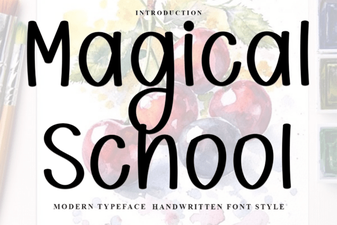 Fonts for Your Magical School Design Project
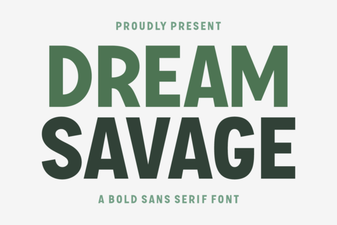 Dream Savage: the Bold Font for Creative Projects
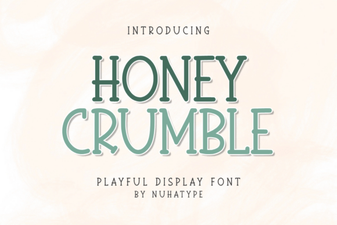 Discover Honey Crumble's Sweetest Design Projects
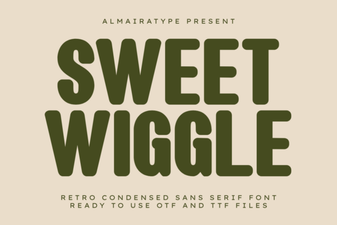 Sweet Wiggle Font for Creative Designs
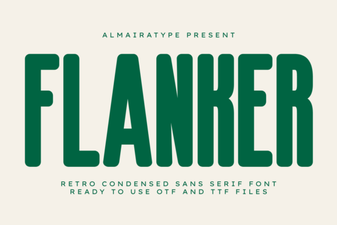 Flanker Font: a Modern Tool for Creative Projects
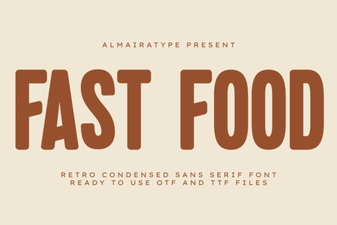 Creative Fast Food Fonts for Modern Restaurant Branding