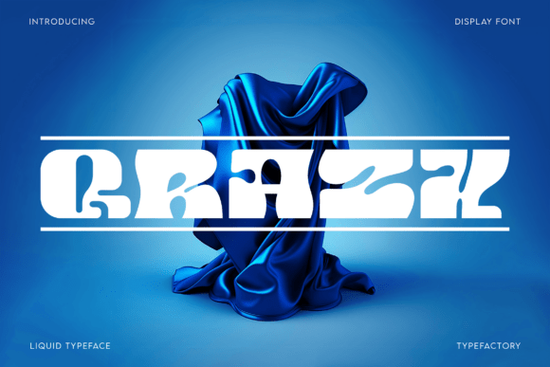
Finding the right typography for a nostalgic yet futuristic design can be tricky. If you are working on a project that needs a distinct late-90s or early-2000s vibe, the Qrazx Font offers a highly specific solution. This display typeface features liquid curves and experimental shapes that mimic the optimistic digital era of the Y2K aesthetic. Whether you are a graphic designer creating music posters or a small business owner designing streetwear, this typeface provides a bold, cyber-inspired personality that immediately grabs attention.
As part of the broader collection of decorative fonts, it stands out because it avoids the standard geometric lines typically found in sci-fi typography. Instead, it uses fluid letterforms to create a look that feels both retro and forward-thinking. This specific blend of nostalgia and modern design makes it highly versatile for current visual trends. You can learn more about its visual characteristics by checking out the specific details of this Y2K font family.
What kind of projects work best with a retro-tech typeface?
Because of its heavy, experimental nature, this typeface is not meant for long paragraphs of body text. It shines in short, impactful applications where the design needs to communicate energy, movement, and a touch of rebellion. Print-on-demand sellers often use this style for graphic tees, tote bags, and stickers aimed at Gen Z audiences who appreciate vintage internet culture. The distinct shapes make merchandise highly recognizable on crowded online marketplaces.
Here are a few specific ways creative hobbyists and professionals are using this style:
- Album artwork and music posters: The fluid shapes pair well with electronic, hyperpop, or alternative music genres.
- Gaming graphics and tech events: It gives digital interfaces a distinct cyber-aesthetic without looking overly rigid.
- Fashion branding and streetwear: Bold logos and editorial headlines benefit from the liquid, unconventional letterforms.
- Creative packaging: Limited edition drops or tech accessories look great with experimental typography on the box.
How do you pair liquid display fonts with other typefaces?
Balancing a highly stylized font is crucial for maintaining readability in your design. When your main headline uses a complex, experimental shape, your secondary text needs to be clean and neutral. A simple sans-serif or a classic monospace font works best to ground the composition. This contrast allows the viewer's eye to rest while still appreciating the bold typography. Avoid pairing two highly decorative fonts together, as they will compete for attention and confuse the reader.
If your project requires multiple display styles, you might want to create contrast by mixing different eras or moods. For example, exploring other decorative typefaces like Farrell can give you a contrasting option for secondary titles or accent text, ensuring your main headline remains the focal point.
Is this Y2K style suitable for print-on-demand merchandise?
Yes, but you need to pay close attention to the production method. Liquid and experimental fonts often feature thin connecting lines, sharp angles, or unusual negative space. If you are screen printing on textiles, ensure the design is scaled large enough so the ink does not bleed and fill in the unique curves. Direct-to-garment printing handles these intricate details much better, capturing the exact fluid edges of the letters without losing definition. For paper packaging, a matte finish often complements the retro vibe better than a high-gloss coat.
For digital projects, you have more freedom. Web banners, social media graphics, and digital invitations can utilize the font at various sizes. Just remember to keep the background relatively uncluttered so the complex letterforms do not get lost in busy patterns.
What should you check before downloading a display font?
Before adding any new typography to your toolkit, verify the licensing terms. Commercial licenses are essential if you plan to sell physical products or use the graphics for client branding. Always check if the file includes alternate characters, numbers, and punctuation marks, as some experimental fonts only provide uppercase letters.
Quick setup checklist for your next design
- Test the font at your intended print size to ensure the liquid curves remain distinct.
- Pair the headline with a highly legible, neutral sans-serif body font.
- Use high-contrast colors to make the retro-tech shapes pop against the background.
- Check the licensing agreement to confirm commercial use for merchandise or branding.
- Export digital files in PNG or SVG formats to preserve the sharp, experimental edges.
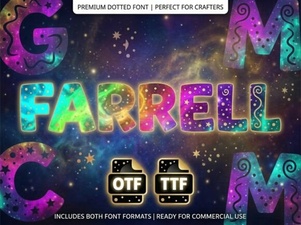 Farrell Font: a Design Guide for Creatives
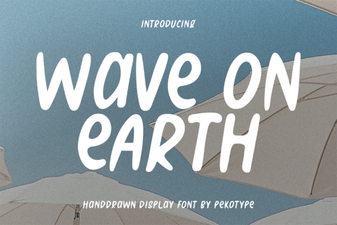 Wave on Earth Font: Creative Typography Projects
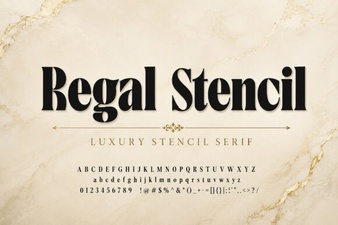 A Regal Stencil Font for Elegant Design Projects
 Styling Projects with the Stencora Font
 Creative Manga Fonts for Digital Projects
 A Fresh Font for Sweet Summer Creations