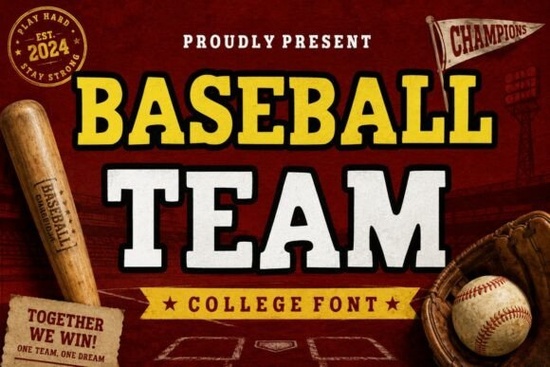
Finding the right typography for athletic branding often comes down to balancing strong readability with a sense of tradition. When designing for local leagues, school programs, or vintage-inspired merchandise, the Baseball Team Font provides exactly that classic varsity aesthetic. It features heavy, blocky letterforms that mimic the authentic look of traditional college jerseys and stadium graphics. Whether you are a print-on-demand seller creating championship hoodies or a graphic designer working on a tournament banner, this typeface delivers the bold presence required for sports-related projects.
For more background on athletic typography styles, you can explore how the Baseball Team Font aesthetic mirrors historical university branding across the country. Understanding these roots helps designers create merchandise that feels genuinely authentic rather than just like a modern imitation. Fans and players alike connect with designs that respect this longstanding visual history.
How do you apply varsity typography to print-on-demand apparel?
Creating custom sportswear requires typefaces that remain legible from a distance. The heavy construction of collegiate fonts makes them ideal for chest graphics on t-shirts, back numbers on jerseys, and embroidered patches on hoodies. Because the letters have clean edges and strong baselines, they hold up well during screen printing and heat vinyl cutting. If you are expanding your apparel line to include retro summer styles, pairing this athletic look with a more relaxed script, like the Dylan display typeface, can create an interesting contrast between vintage surf culture and traditional sports.
What are the best ways to design a team logo?
A strong team logo needs to communicate energy and teamwork at a single glance. Using a blocky collegiate typeface grounds the design and gives it an established, prestigious feel. You can angle the text slightly to add a sense of forward motion, which works exceptionally well for football clubs or track and field events. For youth leagues or recreational summer camps, you might want to soften the aggressive athletic vibe by incorporating rounder display options. Swapping in the Pudgie font or the Daisy Pop typeface maintains high readability while feeling much more approachable for younger audiences and family-oriented events.
Can athletic fonts work for non-sports projects?
The university aesthetic has successfully crossed over into mainstream fashion and lifestyle branding. Streetwear labels frequently use heavy varsity lettering on crewnecks and caps to project a sense of heritage and exclusivity. Esports organizations also lean on this style to establish team identities that feel grounded and competitive. Even if you are designing promotional materials for a completely different niche, like a comic book convention poster, you can mix athletic text with dynamic brush strokes like those found in the Manga Brush font to create an action-packed layout. Conversely, if you are working on a school alumni fundraiser or a festive tailgate party invitation, combining the varsity lettering with a holiday-themed option like the Gnomerry font adds a playful, seasonal touch to traditional branding.
Which file formats do you need for cutting machines?
Crafters using Cricut or Silhouette machines need clean vector files to ensure smooth cuts on adhesive vinyl or heat transfer material. When downloading collegiate typefaces, always check that the package includes OTF, TTF, and ideally SVG formats. Outlining your text in design software before exporting prevents missing font errors and ensures your jersey numbers and team names cut exactly as intended. Pay close attention to sharp inner corners, as these can sometimes tear during the weeding process if the vinyl is too thin.
Practical Checklist for Your Next Sports Design
- Check your contrast: Ensure your heavy varsity text stands out clearly against the background color of the jersey or poster.
- Mind the kerning: Blocky athletic letters often need manual spacing adjustments so the edges do not overlap awkwardly.
- Test the scale: Print a small sample of your design to verify that the bold letterforms remain readable when shrunk down for a cap logo or sticker.
- Layer your graphics: Use the strong font as an anchor, then build secondary details around it using thinner, complementary typefaces.
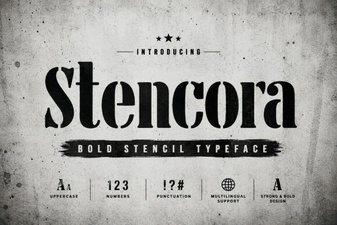 Styling Projects with the Stencora Font
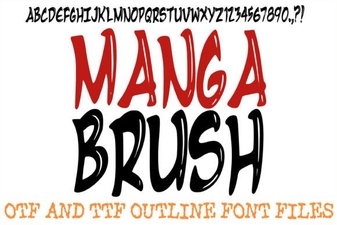 Creative Manga Fonts for Digital Projects
 A Fresh Font for Sweet Summer Creations
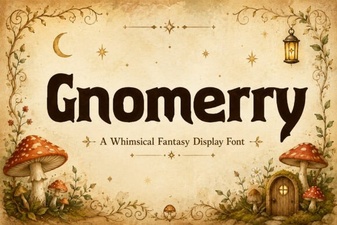 Gnomerry Font: Crafting Creative Typography Projects
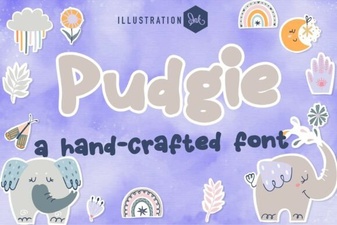 The Pudgie Font: a Playful Typography Choice
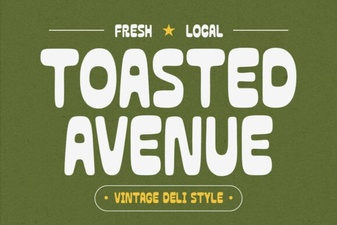 A Creative Typography Project Using Toasted Avenue Font