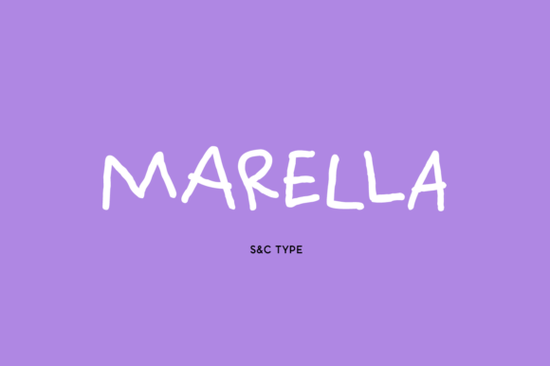
Finding a typeface that actually looks like someone took a thick marker to paper is surprisingly difficult. Most scripts feel too polished or rigid for brands that want an organic feel. If you are designing lifestyle packaging or a local food brand, you need something with spontaneous energy. The Marella Font delivers exactly that. It is an authentic, all-caps handwritten typeface that brings irregular lines and a dancing rhythm to your layout, making it highly useful for crafters and small businesses.
How does a marker-style script improve food branding?
Food packaging thrives on a friendly, approachable vibe. When a customer picks up a bag of artisanal coffee or a jar of handmade jam, they want to feel a human connection. Using an all-caps display font with uneven baselines mimics the imperfections of hand-lettered chalkboard signs. It tells a story of small-batch production rather than mass manufacturing.
You can use this specific marker typeface as the main focal point on a product label, letting its rebellious edge contrast nicely against a minimalist, clean background. If your brand needs a slightly more delicate touch for subheadings, pairing it with a gentle, moon-inspired handwritten font can create a clear visual hierarchy for secondary text like flavor profiles or ingredient lists.
What are the best ways to use irregular lines in print-on-demand?
For print-on-demand sellers, standing out in crowded marketplaces requires readable but distinct lettering. T-shirts, tote bags, and enamel pins often rely on bold, expressive typography to catch the eye of a scrolling shopper. Because this lettering is strictly uppercase, it works best for short, punchy phrases. Think about motivational quotes, bold statements, or short brand names.
If you are building a collection of varied typographic posters for an online store, mixing in a textured wave-style typeface can add visual variety to your product lineup. You might also test a softer, cream-inspired script for products aimed at a more relaxed, feminine audience. Providing different moods helps capture a wider range of customers.
Can crafters use this style with vinyl cutting machines?
Creative hobbyists who use machines like Cricut or Silhouette often avoid highly detailed script fonts because thin lines tear during the weeding process. A thick, marker-style design solves this problem. The bold strokes cut cleanly through adhesive vinyl and heat transfer materials, making it highly practical for custom mugs, wooden signs, and decals. The irregular lines give handmade projects an authentic, human-made look without the hassle of dealing with fragile connection points.
How do you balance a rebellious font with classic layouts?
The trick to using highly expressive fonts is restraint. When your main heading is loud and spontaneous, the supporting text needs to be quiet. Pair your expressive letters with a geometric sans-serif. The clean lines of the secondary font will ground the design, preventing it from looking messy.
For instance, use the all-caps handwritten style for a large storefront window decal, but use a standard sans-serif for the business hours and website address below it. If you ever need a bold display option like Vaganza for an even heavier headline, keep the rest of the design highly structured so the text remains legible.
Is it easy to read an uneven handwritten typeface?
Readability depends entirely on context and spacing. All-caps handwritten styles can become difficult to decipher if you write long paragraphs with them. They are designed for display purposes: logos, short quotes, headers, and packaging labels. To ensure your audience can read the text without struggling, increase the tracking slightly. This gives the irregular lines room to breathe and prevents the dancing rhythm from turning into an illegible block of ink.
What should you check before finalizing your design?
Before sending your project to print or cutting your vinyl, run through a quick setup check to ensure the spontaneous energy translates well to the physical medium.
- Check letter spacing: Ensure no awkward overlaps occur between the irregular lines.
- Test the contrast: Make sure the thick strokes stand out clearly against your background color or texture.
- Limit the word count: Stick to a few words or a short phrase for maximum impact and readability.
- Balance your layout: Always pair the expressive lettering with a simple, readable sans-serif for supporting details.
- Verify cutting paths: If you are making vinyl decals, do a test cut to confirm the bold lines weed easily.
Taking these practical steps guarantees that your final design looks just as good in real life as it does on your screen, giving your creative projects a truly authentic finish.
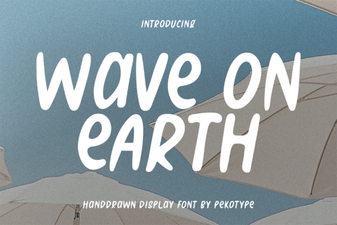 Wave on Earth Font: Creative Typography Projects
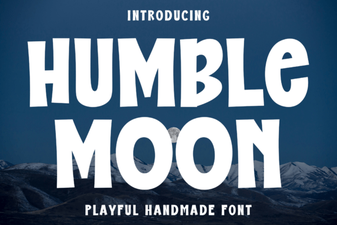 Humble Moon Font for Creative Web Projects
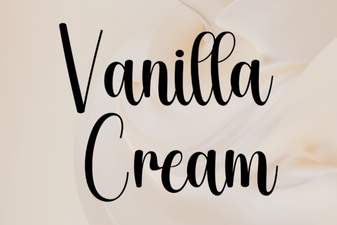 The Vanilla Cream Font for Elegant Design Projects
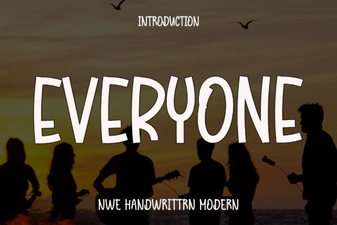 A Friendly Font for Your Next Creative Project
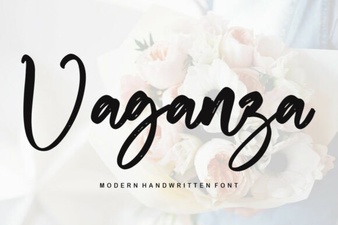 Vaganza Font: Creative Design & Free Download Guide
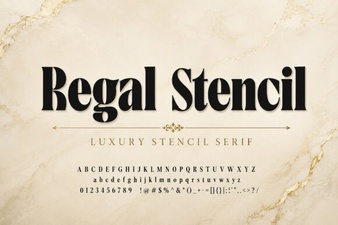 A Regal Stencil Font for Elegant Design Projects