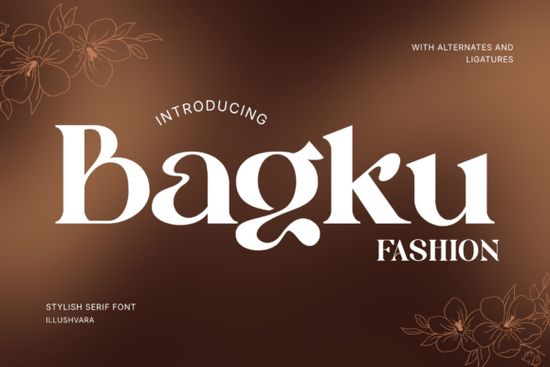
When building a visual identity for a premium brand, the typography you choose carries as much weight as your color palette. For designers and small business owners looking to convey timeless sophistication, the Bagku Fashion Font offers a refined, high-end aesthetic. It is specifically crafted to give fashion labels, cosmetic packaging, and luxury logos a polished and confident look. Whether you are creating a new skincare line or designing editorial layouts, the right letterforms set the tone immediately. The subtle curves and sharp edges provide a contemporary appeal that catches the eye without feeling overly decorative.
What kind of projects work best with a luxury typeface?
This specific font shines in environments where trust and elegance are paramount. Print-on-demand sellers can use it to create boutique-style apparel tags or premium ceramic mug designs that stand out in crowded online marketplaces. Small businesses in the beauty industry will find the clean lines perfect for minimalist skincare packaging and high-end cosmetic labels. Because the letterforms are so deliberate, they work exceptionally well for premium logos that need to look established and expensive. You can easily apply it to mobile applications, business cards, and wedding stationery.
If you are working on a brand that requires a bit more structural contrast, you might also look into a regal stencil alternative for serif typography. Mixing different typographic styles helps define the unique personality of a brand while maintaining readability. Crafters making custom wooden signs or acrylic cake toppers will appreciate how the distinct strokes translate well to cutting machines.
How should you pair this font with other typography?
A strong logo font needs a reliable supporting cast. Since this typeface features stylish, high-end characteristics, it pairs best with clean, highly legible sans-serif fonts for body copy. This ensures your main message remains easy to read while the luxury font handles the headlines and brand name. Avoid combining it with other highly decorative scripts, as this can make the design look cluttered and amateurish.
For subheadings or secondary brand marks, you might want to introduce another elegant option. Exploring the Elaris serif family provides a great complementary style that maintains a sophisticated mood without competing for attention. Always test your pairings at different sizes to ensure the contrast is clear on both mobile screens and printed materials. Remember that white space is just as important as the letters themselves when creating a luxury feel.
Will it hold up across print and digital media?
One of the main challenges for modern brand design is consistency across different mediums. This font is built to deliver a distinctive visual identity whether it is stamped onto a physical product or displayed on a website. The refined details remain sharp in high-resolution print, making it ideal for cosmetic labels and editorial designs. On digital screens, the confident spacing prevents the letters from blurring together at smaller sizes.
If you want to browse similar styles for your next project, checking out other fashion-focused serif fonts can give you a broader perspective on what works for luxury branding. Pay attention to how different weights behave on dark backgrounds versus light ones. Sometimes, a slightly thicker weight is necessary for digital displays to maintain the elegant silhouette of the letters.
How do you prepare the file for your design software?
Before you start designing, make sure you install the correct file formats. Most design platforms like Adobe Illustrator, Canva, or Procreate handle standard OTF and TTF files easily. If you plan to use the font on a website or mobile app, you will need to check the licensing agreement to see if webfont formats like WOFF are included or available for purchase.
What steps should you take before finalizing a design?
- Check the commercial license: Verify if your purchase covers commercial use, especially if you are selling print-on-demand products, physical crafts, or client logos.
- Adjust the kerning manually: Luxury logos often require precise spacing. Take the time to tweak the space between specific letter pairs, particularly around curved letters, to achieve a flawless look.
- Limit the usage to headlines: Reserve this typeface strictly for logos, main titles, and short quotes. Use a simple sans-serif for long paragraphs to maintain readability.
- Experiment with color palettes: High-end serif fonts often look best in classic combinations. Test your logo in deep charcoal, muted gold, or crisp black and white.
- Outline your text for delivery: When saving your final vector files for a client, convert the text to outlines. This prevents missing font errors when they open the file on their own computer.
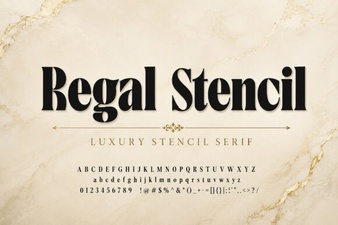 A Regal Stencil Font for Elegant Design Projects
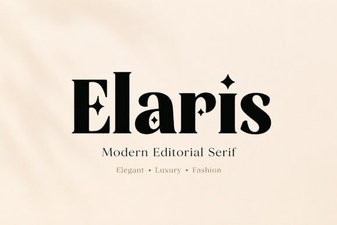 Elaris Font: Design Ideas & Creative Applications
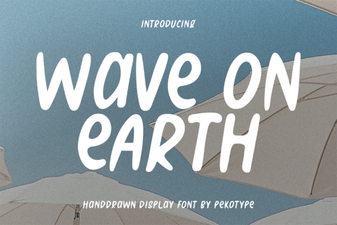 Wave on Earth Font: Creative Typography Projects
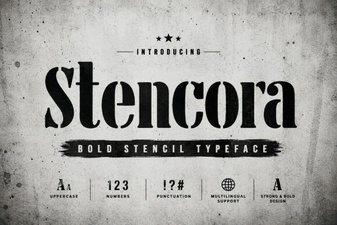 Styling Projects with the Stencora Font
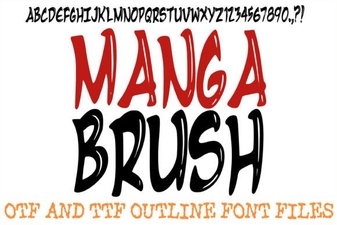 Creative Manga Fonts for Digital Projects
 A Fresh Font for Sweet Summer Creations